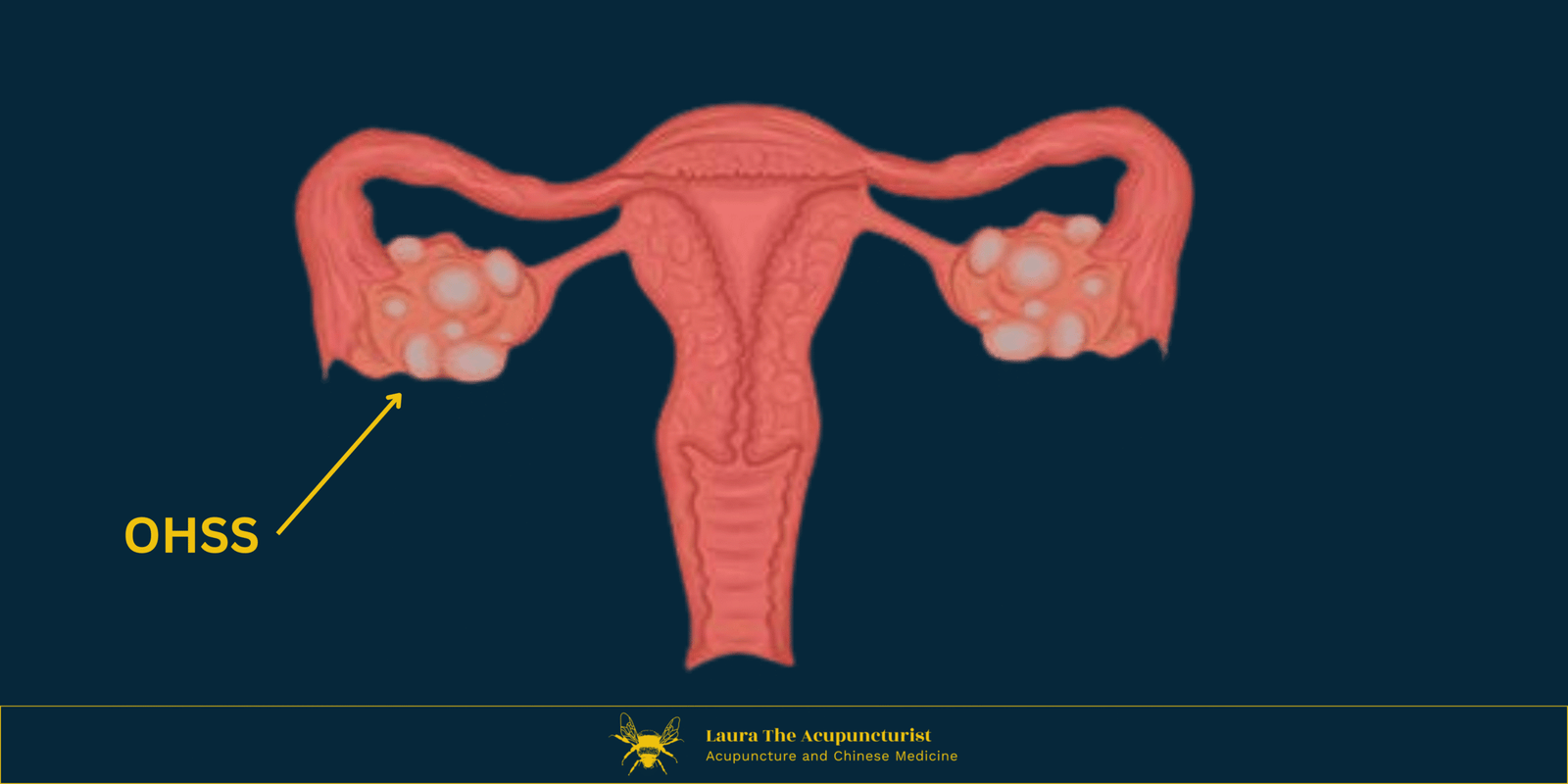
Ovarian Hyperstimulation Syndrome (OHSS) can be a significant risk associated with in vitro fertilisation (IVF), particularly among those using hCG (Human chorionic gonadotropin) medication during assisted reproductive treatments (ART). Affecting around 3-5% of women undergoing these procedures, OHSS is characterised by an exaggerated response of the ovaries, potentially leading to serious health complications.
Understanding the Ovarian Response
During OHSS, the ovaries become enlarged and fill with fluid, releasing excessive amounts of hormones like oestrogen and progesterone, which increase vascular permeability, allowing fluids to leak into the abdominal cavity. In severe cases, this leakage can extend into the lungs and heart.
OHSS and PMOS (formerly PCOS)
Women with Polycystic Ovary Syndrome (PCOS, now known as PMOS) are particularly susceptible to OHSS due to the unpredictable ovarian response to fertility medications.
Impact on IVF Cycles
OHSS can disrupt the course of an IVF cycle, potentially halting embryo transfers and necessitating the freezing of eggs for future use. While mild cases can be managed and may not require cycle discontinuation, moderate to severe instances necessitate immediate medical intervention and possible hospitalisation.
Stages of OHSS and Management Strategies:
Mild OHSS: Symptoms include abdominal bloating, nausea, slight weight gain, and diarrhoea. What should I do? - Inform your fertility clinic - Treat with acupuncture - Treat with Chinese herbal medicine - Avoid intense exercise and sex - Light activity only - Rest with legs raised - Drink at least 10-12 glasses of fluid per day, especially drinks that contain electrolytes, such as celtic salts - Avoid alcohol or caffeine - Take an over-the-counter pain relief
Moderate OHSS: Symptoms escalate to more significant bloating (which would increase the abdominal measurement), rapid weight gain (more than 2lbs per day), vomiting and diarrhoea, scanty and dark urine, excessive thirst. What should I do? - Seek medical evaluation - You may be prescribed Cabergoline - Continue to follow the advice above if you are sent home - Inform your fertility clinic
Severe OHSS: Symptoms become critical. Fullness and bloating above the belly button, shortness of breath (fluid collecting in the lungs), urine reduction or darkening, calf and chest pains, lower abdominal pain, stools which are difficult to pass. What should I do? - Call an ambulance immediately - Inform your fertility clinic
Role of Chinese Medicine in Managing OHSS
Traditional Chinese Medicine (TCM) offers a unique perspective on OHSS, attributing it to patterns of Damp or Damp-Heat, often stemming from a Qi deficiency. This deficiency hampers the body’s ability to manage the increased ‘heat’ from ovarian stimulation drugs, leading to fluid stagnation or ‘Damp’, and in some cases, a combination of Damp with Heat, manifesting as Damp-Heat.
Preventive and Supportive Care Through TCM
Acupuncture: This ancient practice is known for its effectiveness in regulating blood flow and managing pain. By stimulating specific acupoints, acupuncture can help mitigate the risk of OHSS by improving blood circulation and reducing inflammation. This not only helps in managing the symptoms but also supports overall pelvic health and stability. Herbal Medicine: Unlike one-size-fits-all solutions, Chinese herbal medicine provides personalised treatments designed to address individual imbalances. For those at risk of OHSS, formulations typically include ‘damp-resolving’ herbs to move the stagnating fluids.
Who Is At Risk?
- Are young with naturally high hormone levels. - Respond quickly to stimulating drugs and have high oestrogen (E2) - Are donating eggs (medication likely to be increased) - Have a TCM diagnosis of Damp, Spleen Qi Deficiency and possibly also Kidney Yin Deficiency. (Kidney Yin Deficiency means there is already increased heat in the body. This is exacerbated with the stimulation medication.) - Have PCOS – During IVF stimulation phase, FSH and hCG are injected at high doses, creating a risk of superovulation. Women with PCOS have multiple half-ripened or unripened follicles which suddenly all develop.
Steps to Take
Pre-IVF Preparation: Engaging with a TCM practitioner to assess and possibly treat any underlying Damp or Qi deficiency can significantly reduce the risks associated with OHSS. During IVF: Incorporating weekly acupuncture can help manage the side effects of medications and support the body’s response to hormonal treatments. The Chinese herbal formulas prescribed will be safe to use alongside IVF medications and even in pregnancy, when prescribed by a licensed herbalist. If you suspect that you have high hormone levels, get a blood test or ask your fertility doctor the results of your day 1-3 blood test.
Embracing TCM for IVF Support
Integrating acupuncture and herbal medicine into your reproductive health regimen offers a supportive pathway to managing the risks associated with OHSS. By addressing the body’s imbalances and enhancing overall wellbeing, TCM provides a complementary approach that not only supports successful IVF outcomes (by up to 60%) but also maintains long-term reproductive health.
What to Expect from Treatments at Laura The Acupuncturist
At our Birmingham clinic, we take pride in offering personalised care that begins with a comprehensive evaluation of each person’s specific conditions and needs. Treatments are designed not only to alleviate the symptoms but also to restore balance and health throughout the body, ensuring long-term wellness.
Taking Control of Your Health
If you’re experiencing symptoms suggestive of OHSS, or know someone who is, we encourage you to reach out for a consultation. Laura The Acupuncturist is dedicated to providing natural and effective treatment options that address not just the symptoms but the root causes of pelvic pain. Visit the website to learn more or to schedule an appointment. Take the first step towards regaining control of your health and well-being with trusted, professional care.